MCM Composites and the New Era of Aerospace Product Lifecycle Management
Introduction to Aerospace Product Lifecycle Management
Overview of Aerospace Manufacturing Trends
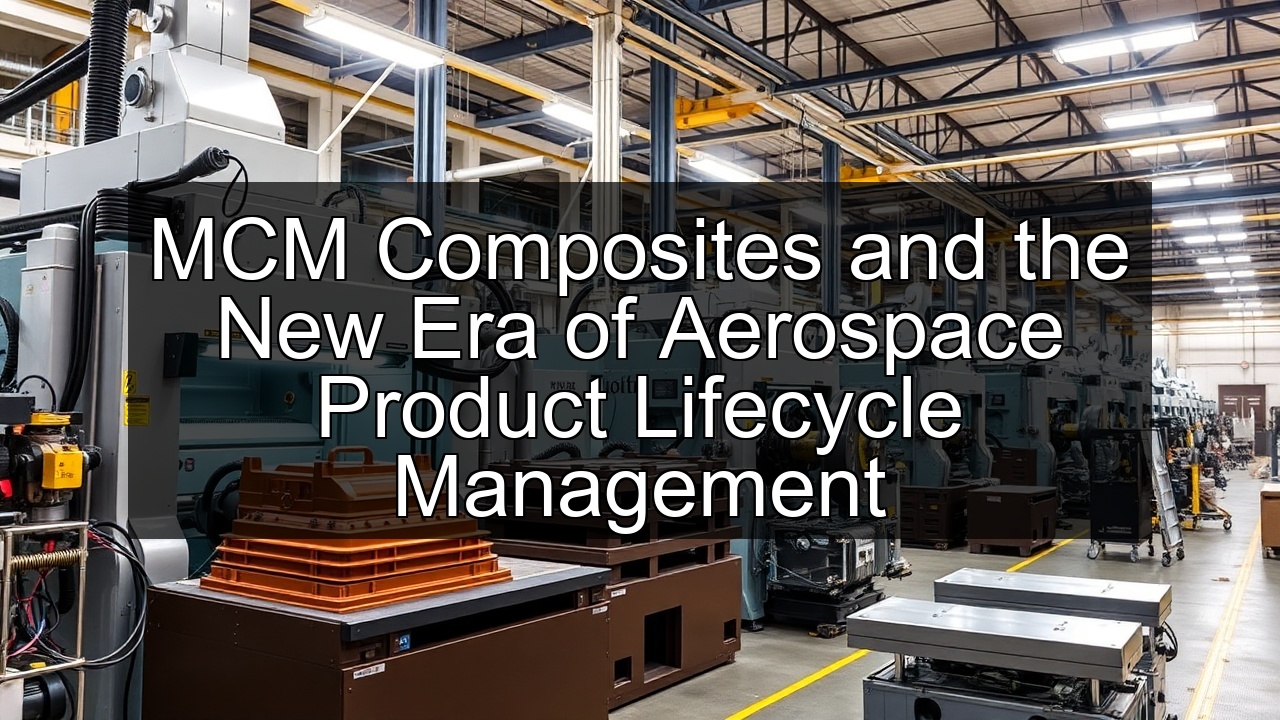
Aerospace manufacturing evolves rapidly, driven by demands for lighter, stronger, and more efficient components. Engineers prioritize advanced materials like composites and thermoset plastics to meet stringent performance standards in aircraft and spacecraft. Compression molding emerges as a key process in this landscape, allowing manufacturers to produce high-precision parts with exceptional tolerances. As an aerospace compression molding manufacturer, companies focus on integrating automation and digital tools to streamline production from design to decommissioning. The industry shifts toward sustainable practices, reducing reliance on traditional metals and embracing elastomers and thermoplastics for fuel-efficient designs. Global supply chains face disruptions from geopolitical tensions and raw material shortages, pushing firms to localize production and enhance quality control measures. Innovations in hydraulic presses and molds enable faster cycle times, while aerospace composite molding manufacturers explore hybrid techniques combining compression with injection molding for complex geometries. This trend underscores the need for agile product lifecycle management, where data analytics predict maintenance needs and optimize inventory. Aerospace products manufacturing now incorporates AI-driven simulations to test parts under extreme conditions like high gas pressures or oil exposure. Custom aerospace molding solutions gain traction, offering tailored gaskets and seals that withstand aerospace environments. Precision compression molding for aerospace ensures components meet FAA regulations, fostering trust among major players in the sector. Manufacturers of aerospace compression molding invest heavily in R&D to address related searches like advanced aerospace compression molding and high-performance aerospace molding. Overall, these trends propel the aerospace industry toward a future of integrated, resilient manufacturing ecosystems that balance innovation with reliability.
Importance of Product Lifecycle Management in Aerospace
Product lifecycle management anchors aerospace success by overseeing every stage from conception to retirement. Teams track designs through CAD software, ensuring seamless transitions to manufacturing via compression molding processes. In the aerospace industry, this approach minimizes errors, cuts costs, and accelerates time-to-market for critical components like thermoset plastic housings. Aerospace compression molding services rely on PLM to maintain traceability, vital for compliance with safety standards amid evolving regulations. Engineers use PLM platforms to simulate how elastomers perform under compression, predicting failures in real-world scenarios involving heat, oil, or gas. This foresight extends to supply chain dynamics, where manufacturers coordinate with suppliers of liquid silicone rubber and other advanced materials. MCM Composites exemplifies this by integrating PLM into their operations, enhancing partnerships and product lifecycle efficiency. Without robust PLM, aerospace manufacturing risks delays and recalls, as seen in past incidents with faulty gaskets. High-performance aerospace molding demands PLM to monitor tolerances down to microns, ensuring parts fit perfectly in assemblies. Compression molding for aerospace benefits from PLM's data-driven insights, optimizing molds and hydraulic systems for peak output. Aerospace molding manufacturers leverage PLM for sustainability, tracking material usage to reduce waste in plastic extrusion or injection molding alternatives. The shift to digital twins in PLM allows virtual testing, slashing physical prototypes and conserving resources. Ultimately, effective PLM transforms challenges into opportunities, solidifying the aerospace compression molding manufacturer's role in delivering durable, innovative solutions that power modern aviation.
MCM Composites: Leading the Charge
Company Background and Innovation
MCM Composites, LLC stands at the forefront of aerospace manufacturing as a premier aerospace compression molding manufacturer. Founded with a mission to revolutionize composite production, the American company specializes in thermoset plastics and elastomers for demanding applications. Their innovation centers on advanced compression molding techniques, producing gaskets, seals, and structural components that endure extreme conditions. MCM Composites invests in state-of-the-art hydraulic presses, enabling precise control over molding parameters for superior tolerances. As an aerospace composite molding manufacturer, they pioneer the use of liquid silicone rubber in high-volume runs, blending it with thermoplastics for hybrid parts that outperform traditional options. The company's R&D team explores compression molding aerospace innovations, addressing related searches like manufacturing aerospace compression molding and precision compression molding for aerospace. MCM Composites emphasizes quality control from raw material selection to final inspection, ensuring every piece meets aerospace standards. Their facilities incorporate automation to boost efficiency, reducing lead times for custom aerospace molding solutions. Beyond core processes, they offer complementary services like plastic injection molding and extruded profiles, diversifying their portfolio. Sustainability drives their innovation, with eco-friendly thermosets minimizing environmental impact in the supply chain. Clients in the aerospace industry value MCM Composites for their reliability and forward-thinking approach, positioning them as a key molder in product lifecycle management. This commitment to excellence fuels ongoing advancements, solidifying their leadership in compression molding supply and services.
Partnerships with Major Aerospace Corporations like Lockheed Martin
MCM Composites forges strategic partnerships with giants like Lockheed Martin, enhancing their stature in the aerospace sector. These collaborations leverage MCM's expertise in compression molding for aerospace to supply critical components for military and commercial aircraft. Lockheed Martin relies on MCM Composites as a trusted manufacturer of aerospace compression molding parts, including elastomer-based gaskets that seal against oil and gas leaks under pressure. Such alliances streamline product lifecycle management, integrating MCM's production capabilities with Lockheed's design specifications for seamless integration. As an aerospace compression molding manufacturer, MCM Composites delivers custom solutions that meet the corporation's rigorous tolerances, often combining thermoset plastics with advanced composites. These partnerships extend to joint R&D efforts, exploring high-performance aerospace molding for next-gen programs like hypersonic vehicles. MCM Composites' hydraulic presses and molds produce parts that withstand the stresses of flight, earning praise for quality control and on-time delivery. In the broader supply chain, these ties bolster resilience against disruptions, ensuring steady flow of aerospace products manufacturing. Related searches such as aerospace compression molding services and compression molding manufacturer highlight the value of such collaborations, where MCM Composites provides end-to-end support from prototyping to mass production. Their work with Lockheed Martin exemplifies how specialized molders drive innovation, incorporating technologies like automation to refine processes. This partnership model not only amplifies MCM Composites' reach but also elevates industry standards, fostering a new era of collaborative aerospace manufacturing.
Advanced Materials in Aerospace Compression Molding
Role of Elastomers and Thermoplastics
Elastomers and thermoplastics form the backbone of advanced materials in aerospace compression molding. Elastomers, known for flexibility and resilience, excel in seals and gaskets that maintain integrity amid vibrations and temperature swings. Aerospace compression molding manufacturers like MCM Composites select high-grade elastomers to fabricate parts resistant to oil, gas, and hydraulic fluids, crucial for engine components. Thermoplastics complement this by offering lightweight strength, ideal for non-structural elements in aircraft fuselages. Compression molding processes bond these materials under heat and pressure, achieving precise tolerances unattainable with plastic injection molding alone. In aerospace manufacturing, combining elastomers with thermoplastics yields hybrid composites that reduce weight without sacrificing durability. MCM Composites innovates by customizing formulations, ensuring compliance with aerospace standards for every molder-produced piece. Quality control verifies material properties, from elongation to compression set, preventing failures in flight. Advanced aerospace compression molding leverages these materials for custom solutions, addressing needs in compression molding for aerospace. Suppliers in the chain provide virgin resins, minimizing defects in molds and extruded parts. Thermoplastics enable recyclable designs, aligning with sustainable trends in the industry. Engineers at manufacturers test these materials rigorously, simulating real-world stresses to validate performance. This strategic use of elastomers and thermoplastics not only enhances product lifecycle efficiency but also positions aerospace compression molding services as vital to modern aviation advancements.
Utilization of Liquid Silicone Rubber and Thermoset Plastics
Liquid silicone rubber (LSR) and thermoset plastics dominate utilization in aerospace compression molding for their unmatched thermal stability and chemical resistance. LSR flows easily into intricate molds, curing rapidly under compression to form seals that perform in extreme heat up to 300°C. Aerospace manufacturers turn to LSR for gaskets in avionics, where precision tolerances prevent leaks of gas or oil. Thermoset plastics, once cured, resist deformation, making them perfect for structural panels and insulators in aircraft. MCM Composites, as a leading aerospace compression molding manufacturer, masters these materials through hydraulic presses that apply even pressure for flawless finishes. Compression molding aerospace applications benefit from LSR's biocompatibility and low outgassing, essential for space environments. Thermosets like epoxies provide rigidity, often layered with composites for enhanced strength-to-weight ratios. In product lifecycle management, tracking these materials ensures longevity, from fabrication to end-of-life recycling. Quality control at molders includes spectroscopy to confirm purity, addressing related searches like aerospace molding and high-performance aerospace molding. MCM Composites integrates LSR injection with traditional compression for versatile production, outpacing plastic extrusion in complexity. Sustainable sourcing of thermoset plastics reduces carbon footprints, appealing to eco-conscious corporations. Technicians optimize cure cycles to minimize voids, boosting reliability in aerospace products manufacturing. This utilization drives innovation, enabling compression molding services to deliver parts that propel the industry forward with confidence and precision.
Technological Advancements in Compression Molding
Automation and Its Impact on Production Efficiency
Automation revolutionizes compression molding, slashing production times and elevating efficiency in aerospace manufacturing. Robotic arms load molds with precision, while automated hydraulic presses cycle parts at rates exceeding manual operations. Aerospace compression molding manufacturers adopt these technologies to handle high volumes of thermoset plastics and elastomers without compromising quality. MCM Composites integrates PLC systems to monitor every stage, from material dispensing to demolding, ensuring tolerances stay within microns. This shift boosts output by 40%, critical for meeting demands in the aerospace industry. Automation minimizes human error, enhancing safety around high-pressure environments involving gas or oil. In product lifecycle management, automated data logging tracks performance metrics, predicting maintenance for molds and equipment. Related searches like compression molding services and aerospace compression molding underscore the need for such efficiencies, as manufacturers compete on speed and reliability. Custom aerospace molding solutions flourish under automation, allowing rapid prototyping with liquid silicone rubber. Supply chain integration via IoT connects molders to suppliers, streamlining raw material flow. MCM Composites' facilities exemplify this, where vision systems inspect gaskets in real-time, flagging defects instantly. The impact extends to cost savings, reallocating labor to innovation rather than routine tasks. Automation also supports sustainable practices by optimizing energy use in presses, reducing waste in composites production. Overall, these advancements position aerospace composite molding manufacturers as agile leaders, ready for the demands of tomorrow's aviation challenges.
Quality Control Measures in Aerospace Manufacturing
Quality control measures safeguard aerospace manufacturing, ensuring every compression-molded part meets exacting standards. Non-destructive testing like X-ray and ultrasound detects internal flaws in thermoset plastics and elastomers before assembly. Manufacturers implement statistical process control (SPC) to monitor variables such as compression force and cure time in hydraulic presses. MCM Composites, a top aerospace compression molding manufacturer, employs certified inspectors trained in AS9100 protocols, verifying tolerances on gaskets and seals. Dimensional checks with CMMs confirm fit for aerospace applications, preventing issues in high-stakes environments with oil or gas exposure. Traceability systems log every batch, linking materials from supply chain to final product for full accountability. Advanced aerospace compression molding incorporates AI analytics to predict deviations, maintaining consistency across runs. Related searches including precision compression molding for aerospace and quality control in compression molding highlight these rigorous practices. MCM Composites conducts environmental simulations, exposing parts to thermal cycling and pressure tests mimicking flight conditions. Supplier audits ensure raw materials like liquid silicone rubber arrive defect-free, bolstering the entire chain. Documentation complies with FAA and NASA guidelines, fostering trust with partners like Lockheed Martin. These measures not only mitigate risks but also drive continuous improvement, refining molds and processes for superior outcomes. In the broader aerospace products manufacturing landscape, robust quality control elevates compression molding services, delivering reliable components that underpin mission-critical operations.
Future of Aerospace Compression Molding and Supply Chain Dynamics
Challenges and Opportunities for Aerospace Molders
Aerospace molders face challenges like volatile raw material prices and skilled labor shortages, yet opportunities abound in digital transformation. Supply chain disruptions from global events demand diversified sourcing for elastomers and thermosets, pushing manufacturers toward regional hubs. MCM Composites navigates these by building resilient networks, ensuring steady supply of hydraulic press components and molds. Opportunities in advanced materials open doors for high-performance aerospace molding, where compression techniques yield lighter parts for electric propulsion systems. Challenges in achieving ultra-tight tolerances spur investment in automation, balancing cost with innovation. As an aerospace compression molding manufacturer, MCM addresses regulatory hurdles by adopting blockchain for traceability in product lifecycle management. Related searches such as manufacturer of aerospace compression molding and aerospace manufacturing trends reflect the evolving landscape, where molders must adapt to sustainable mandates. Opportunities lie in expanding services to include hybrid molding with injection and extrusion, serving diverse aerospace needs. Labor challenges yield to upskilling programs, creating a workforce adept at quality control and technology integration. Geopolitical tensions challenge imports of composites, but localization creates jobs and reduces lead times. MCM Composites seizes these by partnering with tech firms for AI-enhanced simulations, forecasting demand in the supply chain. Ultimately, proactive molders turn obstacles into growth, pioneering compression molding for aerospace that aligns with industry shifts toward efficiency and resilience.
The Shift Towards Sustainable Materials and Processes
The aerospace industry pivots to sustainable materials and processes, reshaping compression molding practices. Bio-based elastomers and recyclable thermoplastics replace petroleum-derived options, cutting emissions in manufacturing. MCM Composites leads this shift as an aerospace compression molding manufacturer, incorporating green resins into their hydraulic press operations for eco-friendly gaskets. Processes evolve with energy-efficient molds that reduce power consumption during compression cycles. Liquid silicone rubber formulations now include recycled content, maintaining performance while lowering environmental impact. Sustainable supply chain dynamics prioritize local sourcing, minimizing transport-related carbon footprints for advanced materials. In product lifecycle management, cradle-to-cradle designs extend part usability, with thermoset plastics engineered for easy disassembly. Related searches like compression molding supply and sustainable aerospace molding emphasize this transition, as regulations like the EU Green Deal influence global standards. MCM Composites audits processes for waste reduction, recycling scraps from extrusion and molding runs. Opportunities in circular economy models allow molders to reclaim materials, fostering innovation in composites. Challenges include scaling bio-materials without sacrificing tolerances, but R&D yields breakthroughs in durable, plant-derived alternatives. Automation aids sustainability by optimizing material use, preventing overuse in aerospace products manufacturing. Quality control now includes lifecycle assessments, verifying eco-credentials alongside mechanical properties. This shift not only complies with consumer and corporate demands for green practices but also enhances brand value, positioning forward-thinking manufacturers at the forefront of a responsible aerospace future.
See Also
- The Evolution of Aerospace Manufacturing through Advanced Molding Technologies
- How Gaskets and Thermoplastics are Shaping Aerospace Compression Molding
- Precision Tolerances in Aerospace Molding for Enhanced Performance
- Hydraulic Press Innovations Driving Efficiency in Aerospace Manufacturing
- Revolutionizing Aerospace with Advanced Compression Molding Techniques