How to Extend Compressor Lifespan with the Right Lubricant Protocol
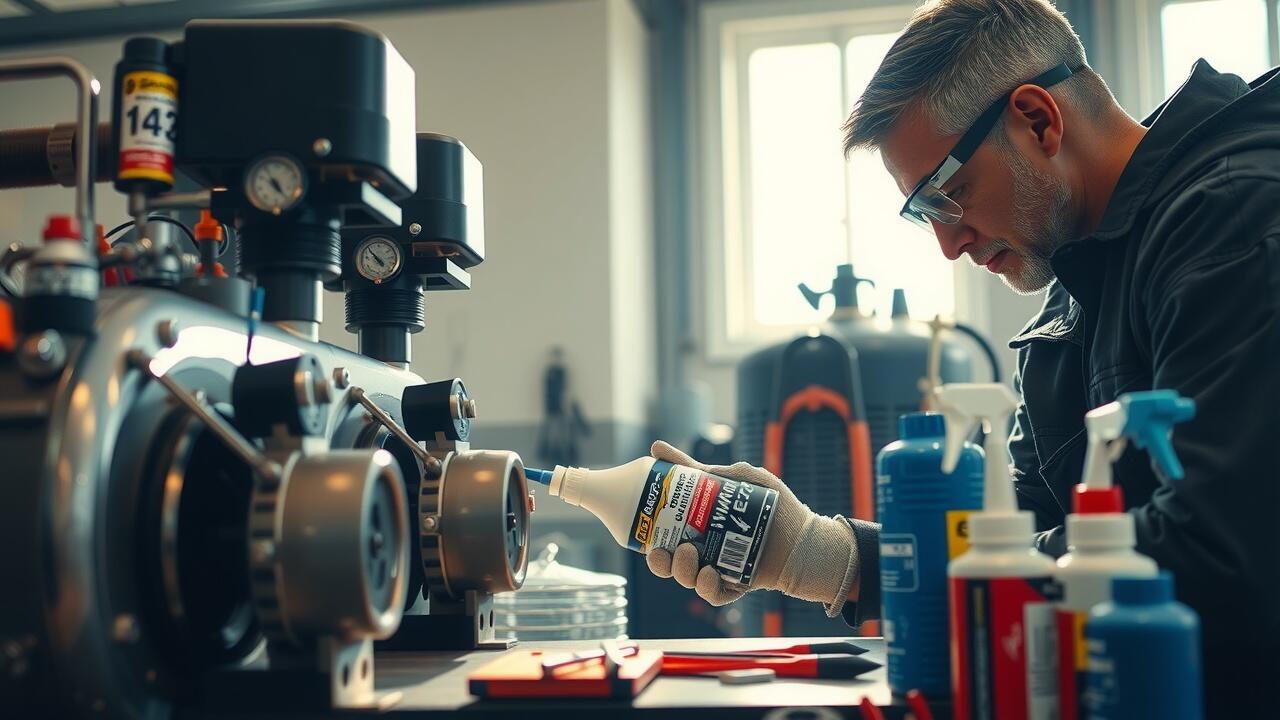
Key Takeaways
- Importance of heat management in lubrication
- Frequent lubrication errors to steer clear of
- Observing lubricant quality
- Effects of impurities on lubrication
- Educating staff on lubricant procedures
The Role of Temperature in Lubrication
Temperature significantly influences the performance of compressor lubricants, directly affecting their viscosity and overall effectiveness. For instance, when operating at high temperatures, compressor oil can lose its viscosity, leading to insufficient lubrication at critical contact points. Maintaining recommended operating temperatures is essential; as a rule of thumb, many manufacturers specify a temperature range of 175°F to 220°F to optimize lubricant efficiency. Deviations beyond these parameters can lead to accelerated wear and shorten equipment lifespan, ultimately impacting operational costs.
The degradation of compressor lubricants can also be exacerbated by thermal stress, where prolonged exposure to elevated temperatures leads to the breakdown of chemical additives within the oil for compressor applications. This breakdown reduces the lubricant's ability to resist oxidation and wear, illustrating the need for routine monitoring. Implementing a temperature control program, coupled with regular oil analysis, can help operators identify issues early. Accurate tracking of lubricant performance enables timely interventions, reducing both maintenance frequency and potential downtime, contributing to overall system reliability. Explore compressor oil, oil for compressor, compressor lubricants.
Why Does Operating Temperature Influence Lubricant Performance?
Operating temperature plays a critical role in the performance and efficacy of compressor lubricants. As temperatures rise, the viscosity of compressor oil decreases, which can lead to insufficient lubrication. For example, when a compressor operates above recommended temperature thresholds, the oil for compressor may not maintain its protective qualities, risking increased wear on moving parts. Data indicates that a viscosity drop of just a few centistokes can significantly diminish the capability of lubricants to form a protective film around components, leading to metal-to-metal contact.
Conversely, excessively low operating temperatures can result in lubricant thickening, severely impeding the flow and distribution of compressor lubricants. This thickening can hinder the ability of the oil to reach critical areas, thereby failing to adequately lubricate essential components. Industry standards suggest maintaining operating temperatures within specified limits to maximize lubrication effectiveness. Regular thermal monitoring and employing the correct lubricant formulations tailored to specific temperature ranges are actionable steps that equipment managers can implement to ensure optimal compressor performance and longevity.
Common Lubrication Mistakes to Avoid
One critical error in lubrication practices is the under or over-lubrication of compressors. Under-lubrication results in increased friction, which can elevate operating temperatures and lead to premature wear. Studies indicate that a compressor operating with inadequate lubrication can experience a reduction in lifespan by as much as 50%. Conversely, using excessive oil can lead to degradation of compressor seals, foaming of the lubricant, and the accumulation of contaminants. This over-Lubrication practice can lead to unnecessary maintenance costs, particularly in systems that rely on compressor oil for optimal performance.
Another common mistake is neglecting the regular monitoring of lubricant condition. Failing to adhere to established maintenance intervals can result in the use of degraded lubricants, which compromise the protective capabilities of compressor lubricants. Implementing a regimen for regular checks can enhance the operational efficiency of the system. For instance, adhering to the ISO 4406 cleanliness standards helps in assessing the particulate contamination levels in lubricants, facilitating timely interventions. High-quality oil for compressor applications not only ensures seamless operation but also protects against potential failures, underscoring the necessity of proactive maintenance protocols.
What Are the Consequences of Under or Over-Lubricating a Compressor?
Under-lubrication of a compressor can lead to excessive wear and overheating of internal components. Insufficient compressor oil increases friction, creating heat that may accelerate the deterioration of critical parts. Studies indicate that a mere 10% drop in lubricant levels can lead to a 25% increase in operating temperature, significantly reducing the lifespan of compressor lubricants. In severe cases, prolonged periods of inadequate lubrication may result in catastrophic failures, necessitating costly repairs or replacements.
Conversely, over-lubrication can be equally detrimental. An excessive amount of oil for a compressor can not only cause increased viscosity but also result in aeration. This condition diminishes the lubricant’s ability to provide proper cooling and protection. Data suggests that more than 4% excess oil can lead to significant energy inefficiencies, increasing operational costs by 15% or more. Furthermore, over-lubrication can lead to contamination, particularly if the excess oil interacts with air and moisture, forming harmful emulsions that hinder compressor performance.
Monitoring Lubricant Condition
Regular monitoring of lubricant condition is essential for ensuring optimal performance of compressors. Utilizing appropriate compressor oil can significantly reduce wear and tear on mechanical components. For example, implementing a systematic approach to check viscosity, acidity, and contamination levels may extend the lifespan of compressor lubricants. Industry standards suggest conducting these assessments quarterly to identify any potential issues before they escalate into costly repairs.
Utilizing advanced analytical techniques, such as infrared spectroscopy or particle counting, can provide insights into the current condition of the lubricant. Collecting samples for laboratory analysis can reveal the presence of harmful wear metals or particulate matter within the oil for compressor systems. This proactive strategy can alert maintenance personnel to necessary interventions. Regularly scheduled checks not only permit timely adjustments but also facilitate adherence to manufacturer specifications, thereby maximizing operational efficiency and minimizing unscheduled downtime.
How Can Regular Checks Improve Maintenance Efficiency?
Regular checks of lubricant condition, such as periodic sampling and analysis of compressor oil, provide insights into both the operational efficiency of the machinery and the effectiveness of maintenance strategies. Conducting these assessments can identify contamination or degradation before significant issues arise. For instance, a compressor in a manufacturing plant was regularly analyzed. The findings indicated rising levels of particulates in the oil for compressor, prompting timely remediation and preventing a potential failure that could have resulted in costly downtime.
Monitoring the properties of compressor lubricants, including viscosity and chemical breakdown, aligns with best practices outlined by the International Organization for Standardization (ISO). By adopting a systematic approach towards lubricant evaluation, maintenance teams can enhance both the reliability of the system and prolong component life. Standards such as ISO 4406 offer guidelines for cleanliness levels that can significantly influence performance. Implementing an effective routine for lubricant condition checks allows for strategic interventions that optimize asset performance while minimizing unplanned outages.
The Impact of Contaminants on Lubrication
Contaminants pose a significant threat to the efficacy of compressor lubricants. Dirt, moisture, and metal particles can drastically alter the properties of compressor oil, leading to a breakdown in lubrication performance. For instance, studies indicate that just a 0.1% moisture presence can accelerate oxidation, diminishing the oil's life by as much as 50%. Additionally, particulate contamination can create abrasive wear on internal components, resulting in a higher failure rate and increased maintenance costs.
To mitigate the impact of contaminants, implementing effective filtration and regular sampling protocols is crucial. Utilizing high-quality compressor lubricants equipped with additives designed to resist oxidation and minimize sludge formation is essential. Periodic checks on lubricant condition, especially for older systems, can detect the early signs of contamination. Industry standards, such as ISO 4406, provide guidelines for assessing particulate contamination levels and ensuring that oil for compressors meets the necessary cleanliness benchmarks. By adhering to these practices, operators can extend the lifespan of their compressors and enhance overall system reliability.
What Are Effective Methods for Preventing Contamination in Lubricants?
Preventing contamination in lubricants requires implementing comprehensive procedural measures. One critical method involves maintaining controlled environments around compressor systems. Utilizing proper filtration systems effectively reduces the risk of particulates entering compressor oil. Regularly changing filters can keep the lubricant clean and reduce wear on components. Monitoring the air quality surrounding the compressor unit also aids in mitigating contaminants.
Training personnel to recognize potential contamination sources is equally vital. Educating staff about proper handling and storage procedures for compressor lubricants can minimize exposure to environmental pollutants. For example, storing oil for compressor operations in sealed containers prevents moisture ingress and airborne particulates. Conducting routine inspections of storage areas and equipment will help identify contamination risks before they escalate and affect system performance.
Training Personnel on Lubricant Protocols
Effective training on lubricant protocols enhances the overall maintenance strategy of a compressor system. Personnel must comprehend the critical role that proper compressor oil selection plays in ensuring optimal machine performance. By focusing on specific parameters such as viscosity index, thermal stability, and detergency of compressor lubricants, operators can significantly minimize wear and enhance the longevity of the equipment. For example, staff trained to understand the implications of using incorrect oil for the compressor can effectively prevent costly failures and downtime.
Implementing structured training programs improves competence among staff. A well-developed curriculum should include hands-on sessions and visual aids that cover lubrication best practices, service intervals, and lubricant analysis techniques. Industry standards, such as those set by the American Society of Mechanical Engineers (ASME) or the International Organization for Standardization (ISO), provide frameworks for appropriate training efforts. Utilizing simulation tools or case studies illustrating the consequences of improper lubrication can reinforce the importance of adherence to established protocols. By fostering an informed workforce, organizations can achieve better maintenance outcomes and extend compressor lifespan.
Why Investing in Training Can Lead to Better Maintenance Practices?
Effective training in lubricant protocols significantly enhances maintenance practices within compressor operations. Personnel well-versed in the nuances of compressor oil selection, application, and monitoring can drastically reduce equipment failure rates. A study by the International Society of Automation revealed that organizations investing in maintenance training experienced a 25% reduction in unplanned downtime over a two-year period. This increase in technical understanding ensures that employees can discriminate between various compressor lubricants, optimizing the lifecycle and operational efficiency of machinery.
Undertraining exposes systems to the risks associated with improper lubrication techniques, such as incorrect oil for compressor applications or failure to maintain optimal lubricant conditions. By employing a structured training curriculum, companies can foster a culture of diligence and precision among maintenance teams. Incorporating real-world scenarios and practical workshops enhances employees' ability to recognize signs of lubricant degradation or contamination. According to the National Institute for Standards and Technology, companies that implement thorough training programs see an average increase of 15% in equipment reliability and a 20% increase in workforce productivity.
Conclusion
Proper lubrication significantly influences the longevity and efficiency of compressors. Implementing a regimented lubricant protocol enhances the function of compressor oils, which play a critical role in reducing friction and wear. Data suggests that compressors properly lubricated with high-quality compressor lubricants can experience up to a 25% reduction in operating costs due to decreased energy consumption and increased operational efficiency. Regular monitoring of lubricant condition allows maintenance teams to detect early signs of degradation, preventing potential failures and extending equipment lifespan.
Personnel training focused on proper lubricant application and handling ensures that all team members adhere to best practices, minimizing the risk of contamination. Adhering to industry standards not only increases reliability but also aligns maintenance procedures with regulatory requirements, such as those outlined by the American Petroleum Institute (API). Utilizing oil for compressors that meet specific viscosity and performance characteristics can optimize the balance between lubrication and heat dissipation, thereby enhancing overall system performance and reliability. Investing in both high-quality lubricants and staff training represents a dual approach to maximizing compressor efficiency and reducing operational downtime.