Exploring Eco-Friendly Greases for Sustainable Manufacturing Practices

The Importance of Eco-Friendly Greases in Sustainable Manufacturing
Understanding the Role of Lubrication in Machinery
Lubrication keeps machinery running smoothly by reducing friction between moving parts like bearings and gears. Proper application of greases prevents wear and extends equipment life in demanding industrial settings. Engineers rely on consistent lubricant films to handle high loads and temperatures without breakdowns. This process supports continuous production cycles and lowers maintenance costs across factories. Effective greasing also minimizes energy losses from excess resistance in motors and pumps. Manufacturers integrate advanced lubrication schedules into daily operations to maintain peak machinery performance and avoid unplanned downtime.
Environmental Impact of Traditional Greases
Traditional greases often contain mineral base oils and heavy thickeners that leach toxins into soil and water supplies. These formulations release persistent chemicals during disposal or accidental spills, harming ecosystems near manufacturing plants. Runoff from automotive and construction sites carries these pollutants into rivers, affecting aquatic life and agriculture. Older greases also contribute to higher carbon emissions through inefficient energy use in machinery. Industries now recognize how these lubricants accelerate environmental degradation over time. Switching away from them reduces long-term liability and aligns operations with stricter regulations on waste and emissions.
Benefits of Transitioning to Eco-Friendly Lubricants
Eco-friendly greases deliver superior performance while cutting environmental harm through biodegradable base oils and safer thickeners. Factories report lower disposal fees and fewer regulatory hurdles after adopting these lubricants. Workers experience reduced exposure to harsh chemicals during application and cleanup. Equipment lasts longer because these greases resist oxidation and maintain viscosity under pressure. Companies gain competitive edges in markets that reward sustainable practices with certifications and contracts. Overall energy consumption drops as friction decreases in bearings and axles, supporting greener manufacturing goals without sacrificing output.
Types of Eco-Friendly Greases
Synthetic vs. Mineral Greases
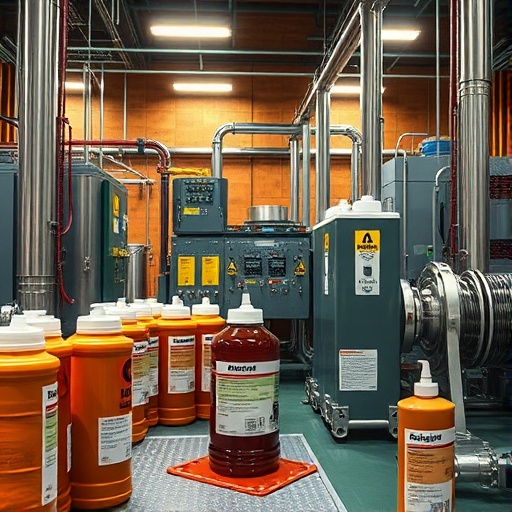
Synthetic greases outperform mineral versions in extreme temperatures and offer better stability for high-speed applications. Mineral greases rely on petroleum-derived base oils that break down faster under heat and pressure. Manufacturers choose synthetic options for bearings in automotive industry equipment where consistent lubrication matters most. These advanced greases extend service intervals and reduce consumption rates. Mineral types still suit low-demand tasks but fall short in sustainability metrics. Engineers test both categories to match specific machinery needs while prioritizing eco-friendly profiles that minimize oil leakage risks.
Water-Resistant Greases: Applications and Advantages
Water-resistant greases protect machinery in wet environments like mining and construction sites where moisture accelerates corrosion. These formulations maintain their structure even after repeated exposure to rain or washdowns. Calcium and sulfonate thickeners enhance water resistance without compromising load-bearing capacity. Operators apply them to axles and pivot points to prevent washout and ensure reliable lubrication. This property reduces downtime from seized components and cuts replacement frequency for bearings. Industries value these greases for extending equipment life in harsh conditions while meeting environmental standards for reduced runoff pollution.
Thickening Agents: Calcium, Lithium, and Sulfonate
Calcium thickeners provide excellent water resistance and work well in marine or agricultural machinery exposed to frequent moisture. Lithium thickeners deliver strong mechanical stability and handle high pressures in automotive axle grease applications. Sulfonate options combine durability with corrosion protection, suiting heavy construction equipment under constant load. Each thickener type alters grease consistency and performance characteristics to fit different operating environments. Formulators blend these agents with synthetic base oils to create lubricants greases that balance eco-friendliness with reliability. Proper selection ensures optimal friction reduction and machinery longevity across sectors.
Key Properties of Eco-Friendly Greases for Various Industries
Viscosity and Its Role in Performance
Viscosity determines how greases flow and coat surfaces under varying speeds and loads. Higher viscosity suits slow-moving bearings in mining machinery, while lower values fit high-speed automotive components. Consistent viscosity across temperature ranges prevents thinning that leads to metal contact and wear. Manufacturers monitor this property to select greases that maintain protective films without excessive drag on motors. Proper viscosity control also improves energy efficiency by lowering internal resistance in pumps and conveyors. Engineers adjust formulations to match specific industrial demands and sustain reliable lubrication over extended periods.
Chemical Stability and Resistance to Pressure
Chemical stability allows eco-friendly greases to resist oxidation and breakdown when exposed to heat, air, and contaminants. Pressure resistance ensures the lubricant stays intact in heavily loaded bearings and gears found in construction equipment. These properties prevent sludge formation that clogs systems and accelerates component failure. Formulators enhance stability through refined base oils and additives that maintain performance during long operating cycles. Industries benefit from fewer relubrication cycles and reduced waste generation. Stable greases also protect against corrosion in aggressive chemical environments common to manufacturing plants.
NLGI Grades: Understanding Consistency in Application
NLGI grades classify grease consistency from soft to firm, guiding selection for specific machinery needs. Lower grades flow easily into tight spaces like automotive chassis fittings, while higher grades stay in place on vertical surfaces in mining operations. Proper grade choice prevents over- or under-lubrication that causes leaks or starvation. Manufacturers match NLGI ratings to operating speeds, temperatures, and load conditions for optimal results. This system helps standardize application across facilities and improves overall equipment reliability. Consistent use of correct grades supports sustainable practices by minimizing product waste and extending service life.
Applications of Eco-Friendly Greases Across Sectors
Automotive Industry: Greases for Cars and Axles
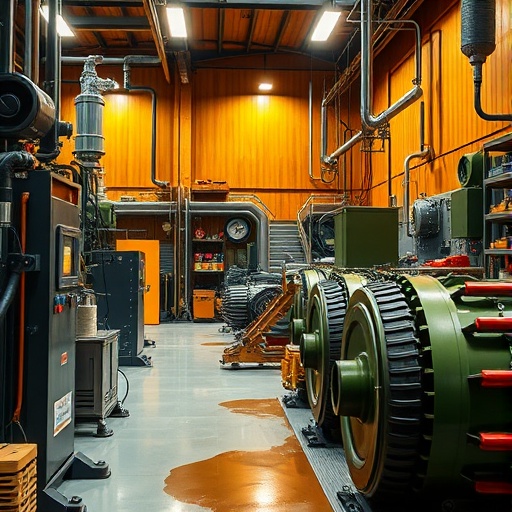
Automotive industry professionals apply eco-friendly greases to wheel bearings, chassis points, and axle assemblies in cars and trucks. These lubricants reduce friction and noise while resisting water intrusion during road use. Synthetic grease formulations handle the high temperatures generated by modern engines and transmissions. Fleet operators notice extended maintenance intervals and lower lubricant consumption after switching. Proper greasing protects components from wear in stop-and-go traffic conditions. Manufacturers integrate these products into assembly lines to meet environmental targets and deliver vehicles with longer-lasting lubrication systems.
Construction and Mining: Durable Lubricating Solutions
Construction and mining operations demand greases that withstand dust, vibration, and heavy loads on excavators, loaders, and drills. Eco-friendly options with sulfonate thickeners provide superior adhesion and water resistance in these rugged environments. Regular application protects bearings and pins from abrasive particles that accelerate wear. Operators achieve higher uptime because these lubricants maintain performance under continuous pressure. Reduced leakage also limits soil contamination at job sites. Companies adopt these solutions to comply with sustainability mandates while cutting long-term equipment replacement expenses.
Agricultural Machinery: Enhancing Efficiency with Greases
Agricultural machinery such as tractors, harvesters, and irrigation pumps relies on eco-friendly greases for reliable lubrication in field conditions. These products resist mud and water while protecting moving parts from corrosion during seasonal storage. Farmers benefit from fewer breakdowns during critical planting and harvest windows. Consistent application lowers fuel use by minimizing friction in engines and drivetrains. Manufacturers formulate greases with biodegradable components to reduce impact on soil and crops. This approach supports sustainable agriculture by extending machinery life and decreasing waste from frequent lubricant changes.
Future Trends in Grease Technology for Sustainable Practices

Innovations in Lubricant Formulations
Innovations in lubricant formulations focus on bio-based oils and advanced thickeners that improve biodegradability without sacrificing performance. Researchers develop greases with enhanced additives that extend relubrication intervals in high-demand machinery. These advancements reduce overall lubricant volume needed across manufacturing and automotive sectors. New blends target specific challenges like extreme pressure resistance and chemical stability. Companies test these products in real-world conditions to validate their eco-friendly claims. Adoption of such formulations helps industries meet tightening environmental regulations while maintaining operational efficiency.
Emerging Technologies in Grease Manufacturing
Emerging technologies in grease manufacturing incorporate precision blending equipment and real-time monitoring to produce consistent, high-quality lubricants. Automated systems optimize thickener dispersion for better water resistance and viscosity control. Digital tools track performance data from field applications to refine future batches. These methods lower production waste and energy consumption during manufacturing. Facilities now produce specialized greases tailored for agriculture, mining, and construction needs. The shift toward smarter production supports broader sustainability goals by delivering reliable products with minimal environmental footprint.
The Role of Research in Developing Eco-Friendly Solutions
Research drives development of next-generation greases through material science and performance testing in diverse environments. Scientists explore new silica and lithium combinations that enhance stability under pressure while remaining biodegradable. Collaborative projects between universities and manufacturers accelerate commercialization of these lubricants. Data from long-term trials guide improvements in NLGI grades and base oil selection. This ongoing work ensures greases meet evolving industry demands for efficiency and sustainability. Continued investment yields solutions that protect machinery and ecosystems simultaneously.